



Every day, our car communicates with us in its unique way. Even though it cannot say anything, it will try to let you know when there are some troubles with it. You will understand it when you hear weird sounds, see warning lights, notice leakage, smell burning, or feel vibrations during driving.
Unfortunately, many drivers neglect such symptoms. They assume their cars work normally, so everything can wait. Some drivers believe that these symptoms will disappear eventually. The others prefer postponing repair services just to save a little money. However, all minor car problems tend to develop into much more significant ones, thus requiring additional expenses.
For example, a small coolant leak can lead to a totally burnt engine. Overused brake pads can wear out the rotors and put you at risk when braking. An unstable battery can leave you stranded anywhere, even in a deserted place.
Fortunately, almost all major issues start giving you some signals before becoming a problem. Knowing how to recognize them will help you avoid significant expenses, feel safe on the road,d and extend the life of your vehicle.
Below, there are ten warning signs that indicate that your car requires urgent servicing.
Reasons Why Not Addressing Vehicle Issues Can Be Expensive
Contemporary vehicles are equipped with many different systems designed to warn the driver about existing problems. Such indications include dashboard lights, various noises, scents, and sensors.
Ignoring such warnings will result in increased problems. A seemingly insignificant issue can turn into an expensive problem when the car has been used for several months without being addressed. It is not always evident at first sight.
Among many typical consequences of ignoring vehicle issues, there are the following:
- Repair costs increase
- Vehicles’ safety can become jeopardized
- Worse fuel efficiency results
- Additional parts are damaged
- Lower resale price of the vehicle
In particular, changing brake pads as recommended by the manufacturer is usually inexpensive. However, when the driver delays it for too long, elements such as rotors, calipers, and other braking system components may be damaged. Thus, what started as an inexpensive procedure will become extremely expensive.
Engine-related problems work similarly. The initial warning may eventually lead to its failure, which is obviously a much larger problem. Addressing any issues early on can save both money and lives.

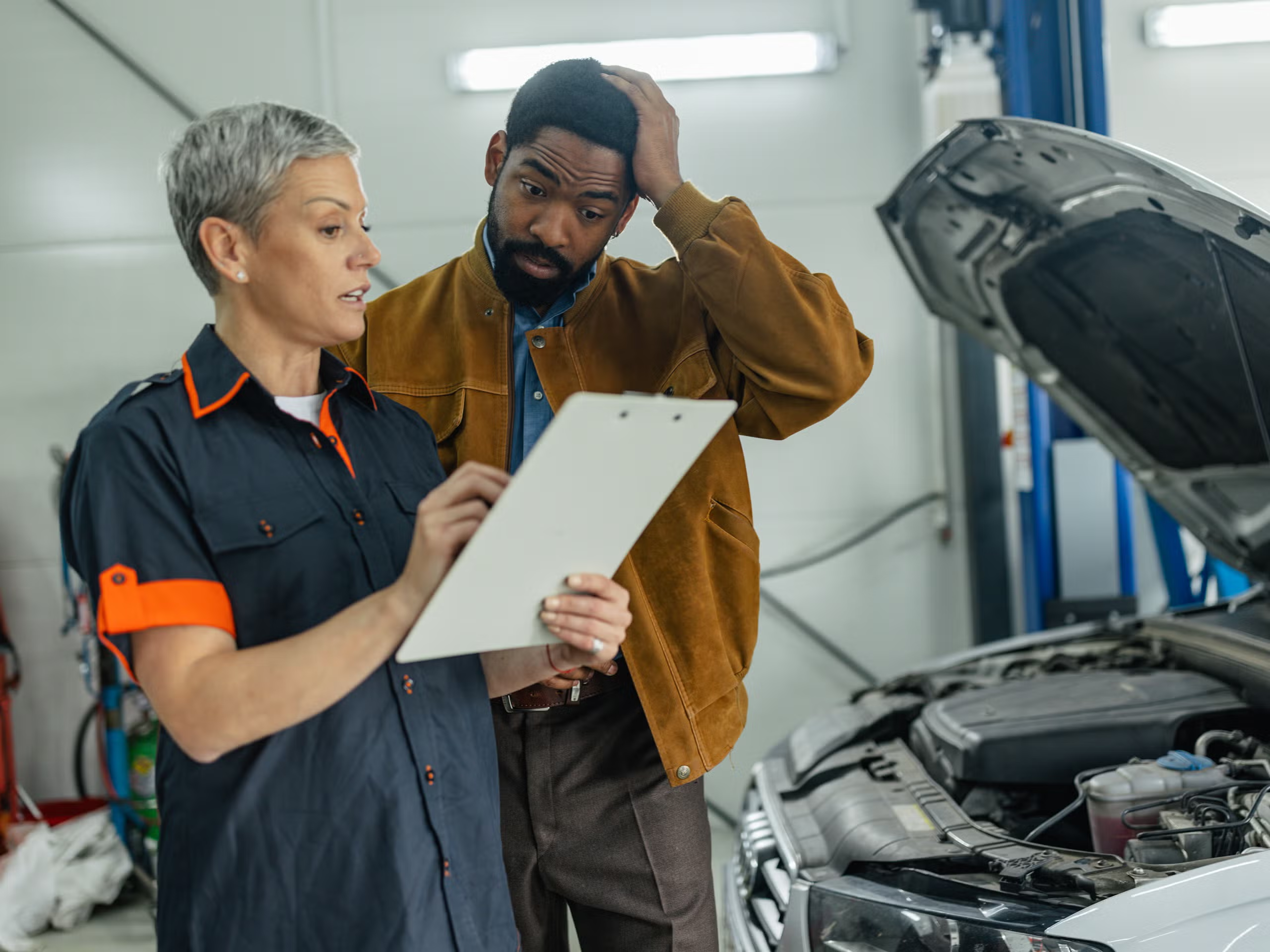
1. Dashboard Warning Lights Remain On
It appears that dashboard warning lights are essentially the most straightforward way a vehicle communicates with you. The modern vehicles are equipped with sensors that monitor important systems in a car, such as the engine, brakes, battery, oil pressure, and cooling system.
Thus, if a certain warning light remains illuminated, this suggests that the car recognizes a particular problem that requires prompt action. It does not require eventual attention but rather immediate attention.
Some people disregard warning lights due to the fact that their cars feel fine. Other drivers turn off the light and hope for the best. However, the underlying issue will not disappear and will develop further.
What is more, the colors of warning lights are important. Thus, yellow or amber warning lights mean that caution is required. Red warning lights suggest an imminent threat and should not be ignored.
Examples of common warning lights include:
- Check engine light
- Oil pressure warning light
- Battery warning light
- Brake system warning light
- Temperature warning light
- ABS warning light
A steady check engine light usually indicates minor problems such as:
- Gas cap not being properly closed
- Faulty oxygen sensors
- Contaminated fuel injectors
- Small problem with the emission system
However, a flashing check engine light is always something serious, and usually indicates that the engine is misfiring badly enough to cause damage to the catalytic converter.
As for the oil pressure light, well, this one is definitely a no-go when it comes to ignoring the warning signs. Low oil pressure can ruin an engine rather quickly.
Light indicators associated with the battery could mean a problem with the charging system. The light indicators associated with the brakes could be indicative of either low brake fluid or brake failure.
In case any indicator light remains on, do not ignore it and have the vehicle checked with the help of an OBD-II diagnostics tool. Many repair centers and auto parts stores offer quick decoding of OBD-II codes.
2. Strange Noises While Driving
Cars kind of always make some sounds, but weird noises can be an early warning for mechanical trouble. It matters which kind of sound you get, because each one can hint at a different issue, usually not the same thing.
If you pay attention to when the noise shows up, you can narrow it down faster. Sometimes it only happens while you brake, other times it shows up when you turn, during acceleration, or even when the engine is just idling.
Grinding noises are especially serious. If you hear grinding when you brake, then your brake pads might be completely worn out. At that point, metal surfaces could already be rubbing against the rotor, and that can escalate quickly.
Squealing noises from under the hood are often linked to worn belts. A loose serpentine belt can slip, and that slipping may create noise, especially at cold starts.
Clicking sounds while you’re turning often suggest CV joint troubles. Those joints are what help push power from the drivetrain to the wheels, and if they fail, the car can start acting wrong, eventually becoming hard or impossible to move properly.
Knocking sounds from the engine are dangerous. You really shouldn’t ignore them, not even once. They may be tied to low oil, questionable fuel quality, or even internal engine damage.
You might hear hissing noises from a coolant leak or from some damaged vacuum hose. And yeah, stuff like that can mess with engine performance and even fuel economy, in a pretty noticeable way.
If you start noticing odd sounds, try to hold onto these little clues before you talk to a mechanic, or start poking around:
- When does the sound first show up
- Does it happen while braking
- Does it show up when you’re making turns
- Is the engine cold, or has it been warmed up
- Does the noise slowly get louder as time goes on
Those small observations can help mechanics figure out what’s going on much faster.
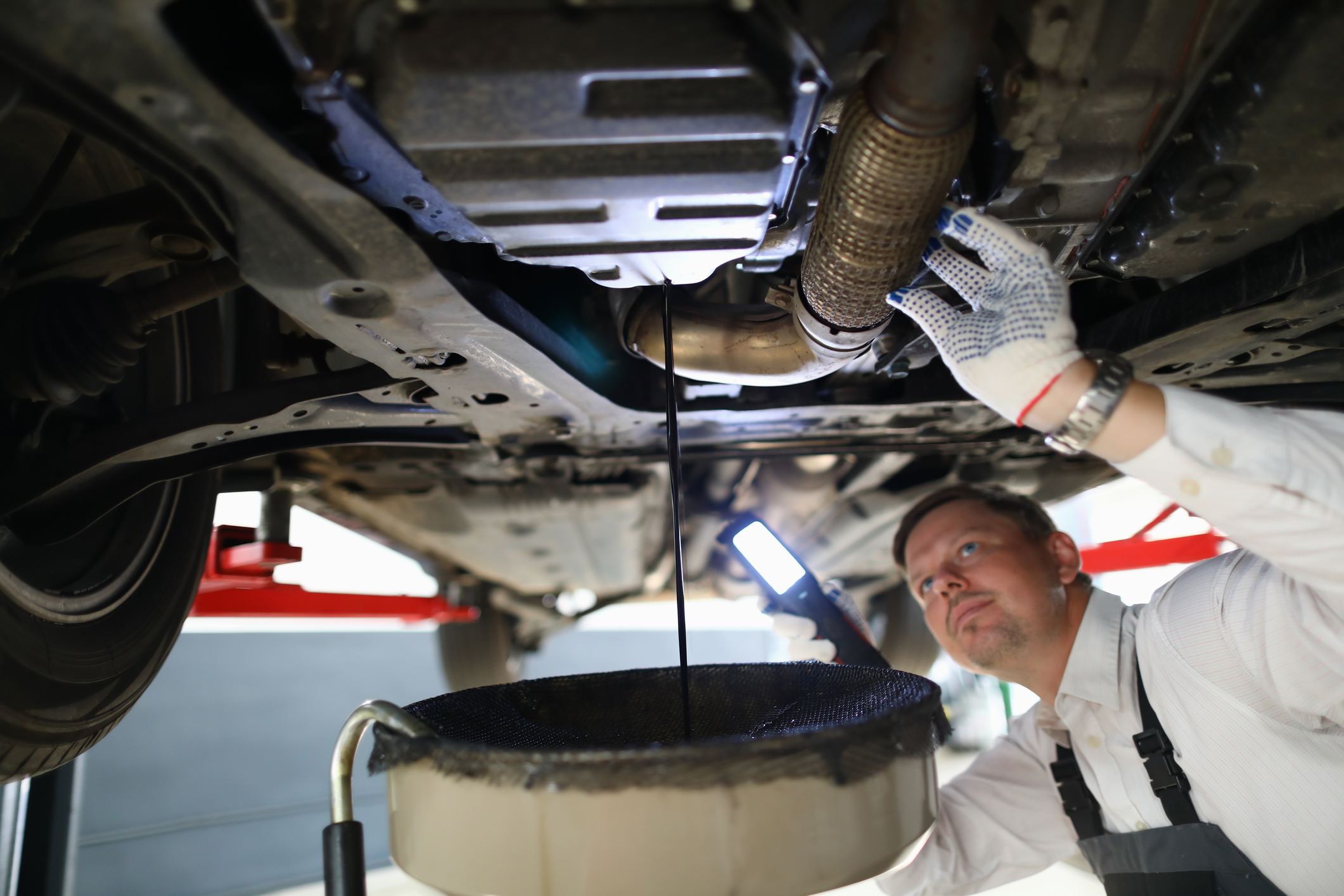
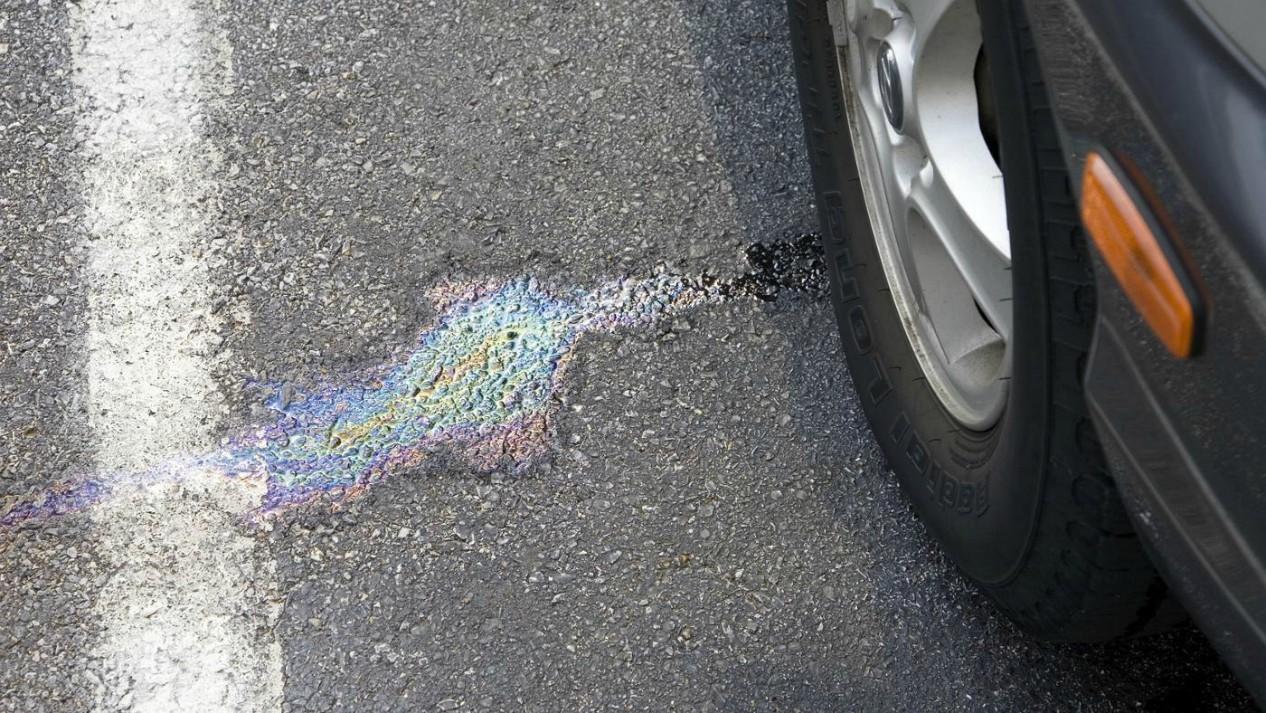
3. Fluid Leaks Under the Car
Fluid leaks under the car are kind of an everyday warning sign. Even a tiny puddle there can mean trouble, like soon or later. Different fluid colors do help spot what’s going on. Black, dark brown fluid is usually engine oil. Red or pink fluid may be transmission fluid. Green or orange liquid is often a coolant. Clear water is typically just AC condensation, so it can look scary, but it’s not always serious.
In most cases, the leaking gets more noticeable as time goes on. If the fluid level drops, it can harm key car parts, and that’s where the real damage starts. A coolant issue can bring overheating. A brake fluid leak can weaken stopping power, and that matters a lot. Transmission leaks may turn into costly repairs, not just a quick fix. So if you keep noticing fluid under your car, more often than not, get it checked quickly, don’t put it off.
4. Weird Smells Coming From the Car
Battery-related lights indicate problems with the charging system, while brake lights might mean that your car has low brake fluid or it might face brake failure.
When any warning light is lit on your dashboard, do not hesitate to have your car scanned through an OBD-II diagnostic tool. Many repair shops and auto parts stores can help you diagnose the problem by reading your car’s codes almost immediately.
Unusual Odors Coming from Your Car
In most cases, an unusual smell from your car is a strong indication that there is something wrong with the engine, exhaust, or a fluid setup. In some cases, the strange smell comes from inside the car, while in other cases, the smell is from the exterior of the car, such as when you approach the engine of your vehicle.
Burning rubber indicates that a belt is slipping or burning rubber parts are making contact with something that should not be in contact with them. A sweet smell is usually associated with coolant leaks. The smell of rotten eggs points to problems with the catalytic converter, while a burning oil smell indicates that oil is leaking onto hot engine parts.
And lastly, a smell of gasoline; now, this one is definitely the most alarming, and it becomes a real danger very quickly.
If you begin to detect these smells more frequently than occasionally, do not hesitate; get your car inspected immediately.
5. Vibrations or Shaking While Driving
If your car was smooth initially, it should not begin to vibrate while driving, particularly on a regular basis. The vibration often indicates that a component is worn out, misaligned, or unbalanced. Indeed, such malfunctions become more severe over time.
When vibrations happen around the steering wheel, they can be caused by a problem with the tires. This problem can also manifest itself at higher speeds, for instance, after exceeding a certain speed. When the entire vehicle starts shaking while accelerating, the issue may lie with the engine or drivetrain.
If the vibration occurs mainly when you brake, this may indicate that the brake rotors are warped. Ignoring the vibration may result in additional damage, such as damaged tires, damaged suspension, or steering components becoming worn out. Thus, it is better to fix the problem as soon as possible to avoid more expensive repairs in the future.
Common causes of vibration :
- Tire imbalance
- Bent wheels
- Worn suspension components
- Damaged brake rotors
- Failing CV axles
- Engine mount damage
6. Trouble Getting the Engine to Start
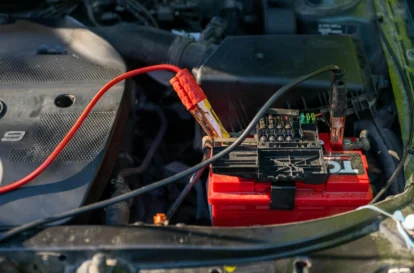
Starting issues often show up kinda quietly first. The engine might crank a little slower than it should. Later on, the car can start acting up, maybe it struggles to start, or it just won’t start at all. A weak battery is usually the 1 reason. Most car batteries go about 3 to 5 years before they’re worn out. Cold weather can really make it worse, and so can long breaks between driving, like days or even weeks.
When you turn the key and hear a clicking sound, that usually points to battery trouble or starter trouble. If the engine cranks, but still does not fire up, then the problem is more likely fuel or the ignition side. That can come from worn spark plugs, a failing fuel pump, or injectors that are clogged injectors.
Also, loose battery terminals, plus general wiring or electrical faults, can cause random start problems. Typical causes are a weak battery, a bad starter, a faulty alternator, and worn spark plugs.
7. Smoke From the Exhaust
The exhaust smoke could help identify potential engine problems at an early stage. The type of smoke will enable you to know what the problem is. Some types of smoke are normal, especially when starting a cold. However, persistent smoke should be a cause for alarm.
Types of exhaust smoke:
- White smoke when cold: It is normal and clears up fast
- Thick white smoke: It indicates leakage of coolant or head gasket problems
- Blue smoke: The engine burns oil
- Black smoke: Excess fuel is burned
Persistent smoke could indicate major engine damage, and you need to seek immediate help. Running your car while having such issues could damage other components, including the catalytic converter and oxygen sensors.
8. Brake Malfunction
The issue of braking is extremely dangerous. The braking system must be efficient all the time. It needs to work quickly and effectively. In case it feels loose and slow, there is a problem with it.
You might experience a loose brake pedal or a slower stopping process. At times, the vehicle will start shaking while pressing the brakes, or it will move to one side. A grinding or squealing sound from the brake is another sign that needs attention.
Some common signs of brake malfunction include:
- Soft brake pedal
- Longer stopping process
- Squealing sound
- Vehicle moving to one side
- Shaking the brake pedal
In case you experience any of these signs, go and check your brakes immediately. It is quite risky to drive with malfunctioning brakes.
9. Abrupt Decline in Fuel Efficiency
If your vehicle consumes more fuel than before, it should be an indication to you. This means that you will have to refuel your vehicle more frequently despite no change in the manner of driving.
This could be due to dirty air filters, faulty spark plugs, underinflated tires, and engine troubles. At times, malfunctioning sensors or sticky brakes may cause fuel inefficiency. If there is a sudden increase in the consumption of fuel without any obvious reasons, take your vehicle for a checkup.
10. Overheating Engine
An overheating engine is a dangerous condition. This happens when your car becomes too hot while in operation. There might be a possibility that you will notice the increase in the temperature gauge, steam coming from the hood, or a warning light.
There are various reasons for your car to overheat. Some of the causes include low coolant, a malfunctioning water pump, radiator problems, or a faulty cooling fan. The overheating of the engine can lead to severe damage within a short time.
In case your car overheats, pull over and switch off the engine. Contact a mechanic for assistance. Do not continue operating the vehicle.
What Should You Do If You See a Warning Light?
You must never overlook a warning sign displayed by your car. Taking action immediately may save your car from suffering further damage.
Actions to take:
- Stay calm
- Check the warning sign
- Stop your car if it seems dangerous
- Watch out for smoke, leakage, and unusual noises
- Note down what you observed
- Visit a reliable mechanic soon
Regular Maintenance Saves Your Car from Costly Repairs
The regular maintenance of your car will help keep it in good shape. You can also save yourself from costly repairs by conducting routine checks.
Basic tips for maintaining your car:
- Oil change at the recommended period
- Monthly tire pressure check
- Tire rotation regularly
- Brake inspection regularly
- Fluid replacement whenever required
Conclusion
Cars always show warning signs before developing any major issue. The warning signs include lights, noises, smells, leakage, and shaking. If you act upon them in time, you can save yourself from costly repairs.
Never allow your vehicle to develop further complications. Minor issues may become severe very quickly. Make sure that you take proper care of your vehicle.
Frequently Asked Questions
If the light is steady, you can usually drive short distances carefully. If the light flashes, stop driving as soon as possible because severe engine damage may occur.
Most repair shops charge between $50 and $150 for diagnostics. Some auto parts stores scan basic codes for free.
Yes. Even a few minutes of overheating can damage the engine severely.
A full inspection once a year is a good minimum. Drivers with high mileage should check brakes and fluids every six months.
Shaking during braking is often caused by warped brake rotors or uneven brake wear.
Brake fluid and fuel leaks are among the most dangerous because they affect safety directly.
Related Posts


Automatic Transmission: Everything
Automatic transmissions (also known as automatic gearboxes) have become a
Read More
Comments are closed