



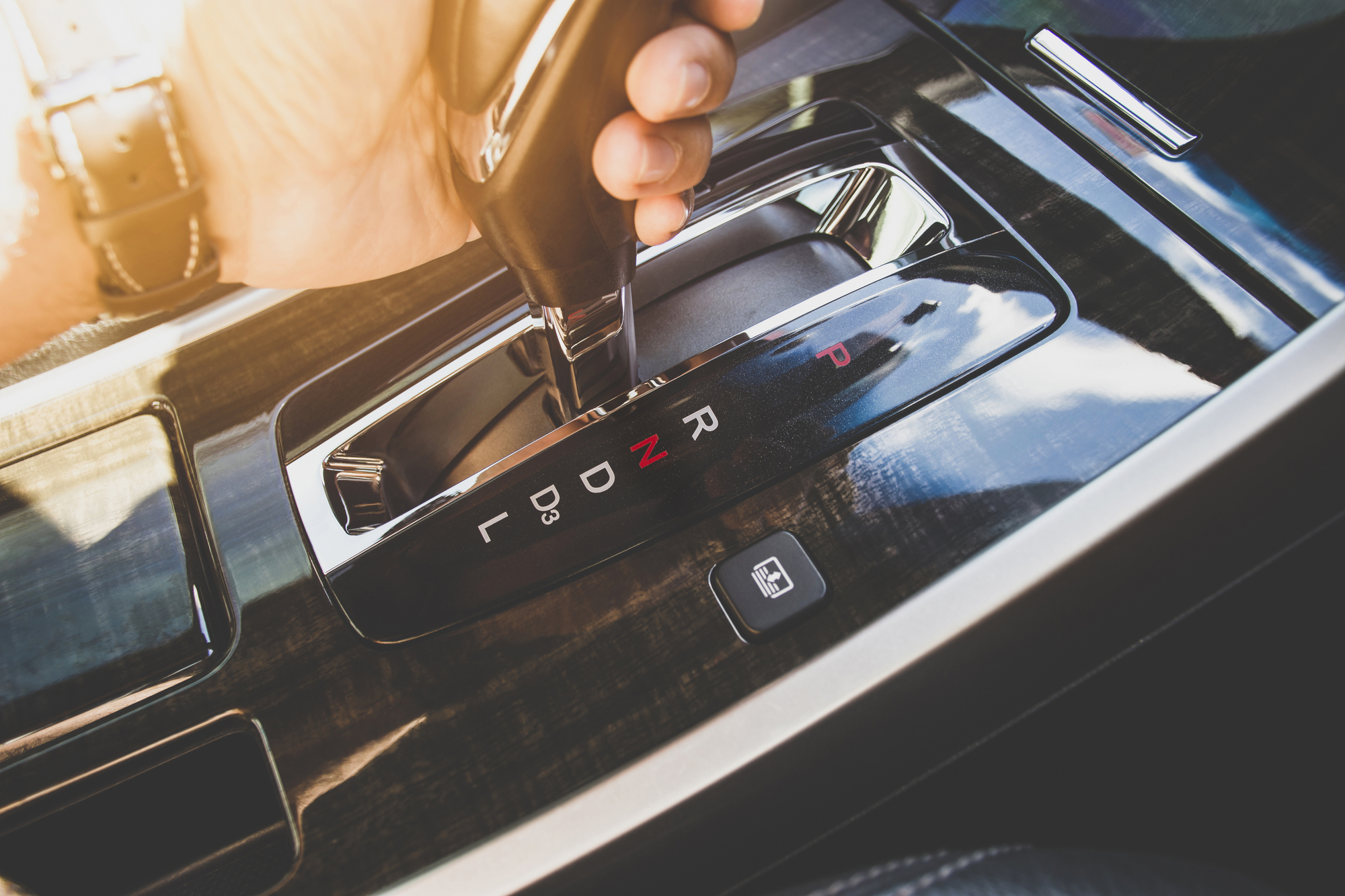
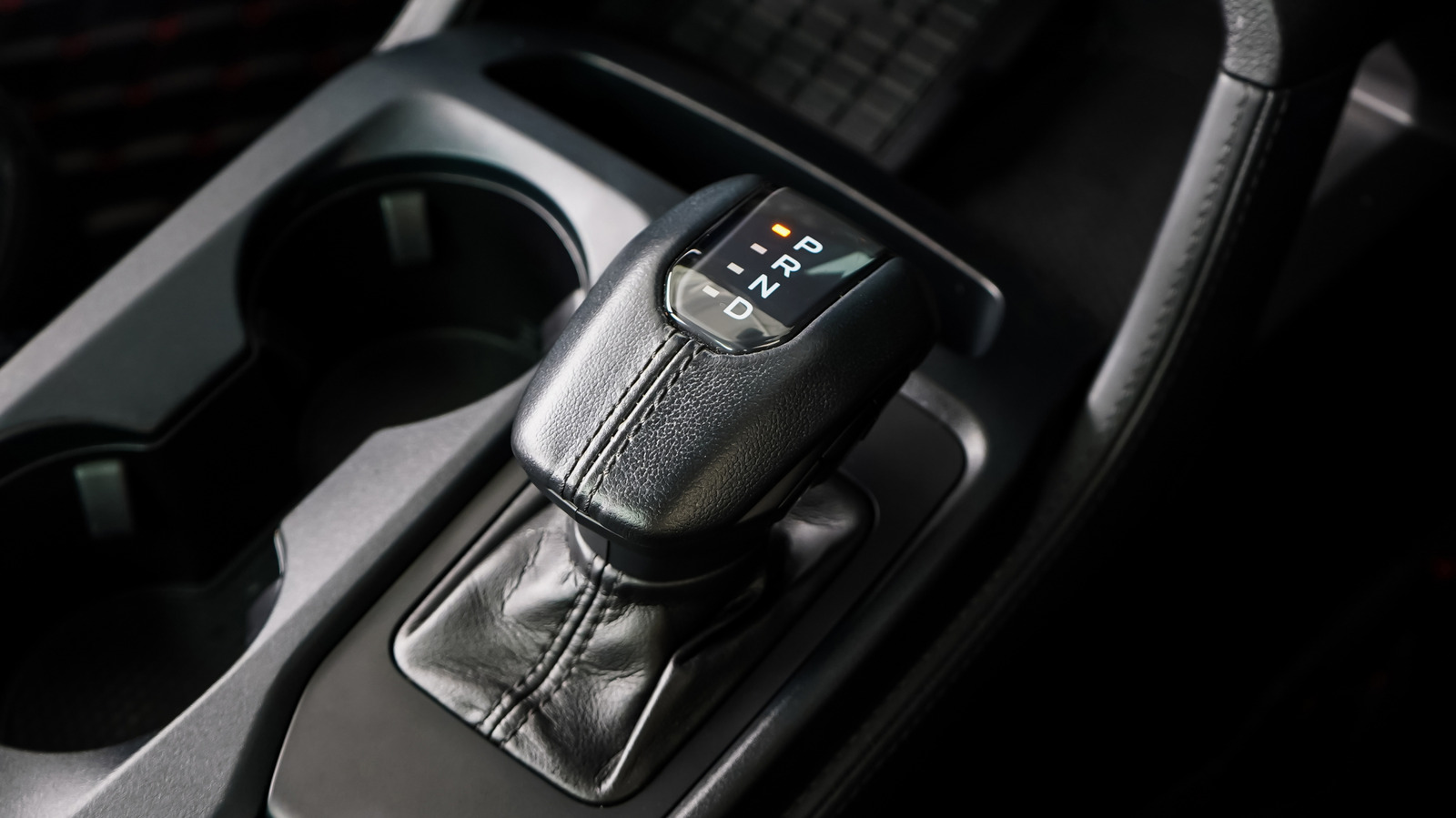
Automatic transmissions (also known as automatic gearboxes) have become a necessary component of the modern car transmission system. Such systems also do not require the driver to operate the gears manually, thus driving becomes comfortable and easy, particularly in traffic jam or during any long-distance journey. Unlike manual transmissions that demand that the driver has to use a clutch and switch the gears by hand, an automatic transmission regulates the gear ratios of a vehicle automatically in accordance with the speed, engine load and depending on different driving situations.
A type of transmission that operates automatically is meant to direct the engine power to the wheels that allow acceleration to be smooth without necessarily changing gears. This has helped it to be a perfect selection of numerous motorists who attach importance to convenience and less energy consumption during driving. The automatic transmission is based on hydraulics, sensors, and planetary gearboxes to change gears smoothly to allow a more relaxed and more natural driving experience.
Difference Between Automatic and Manual Transmissions
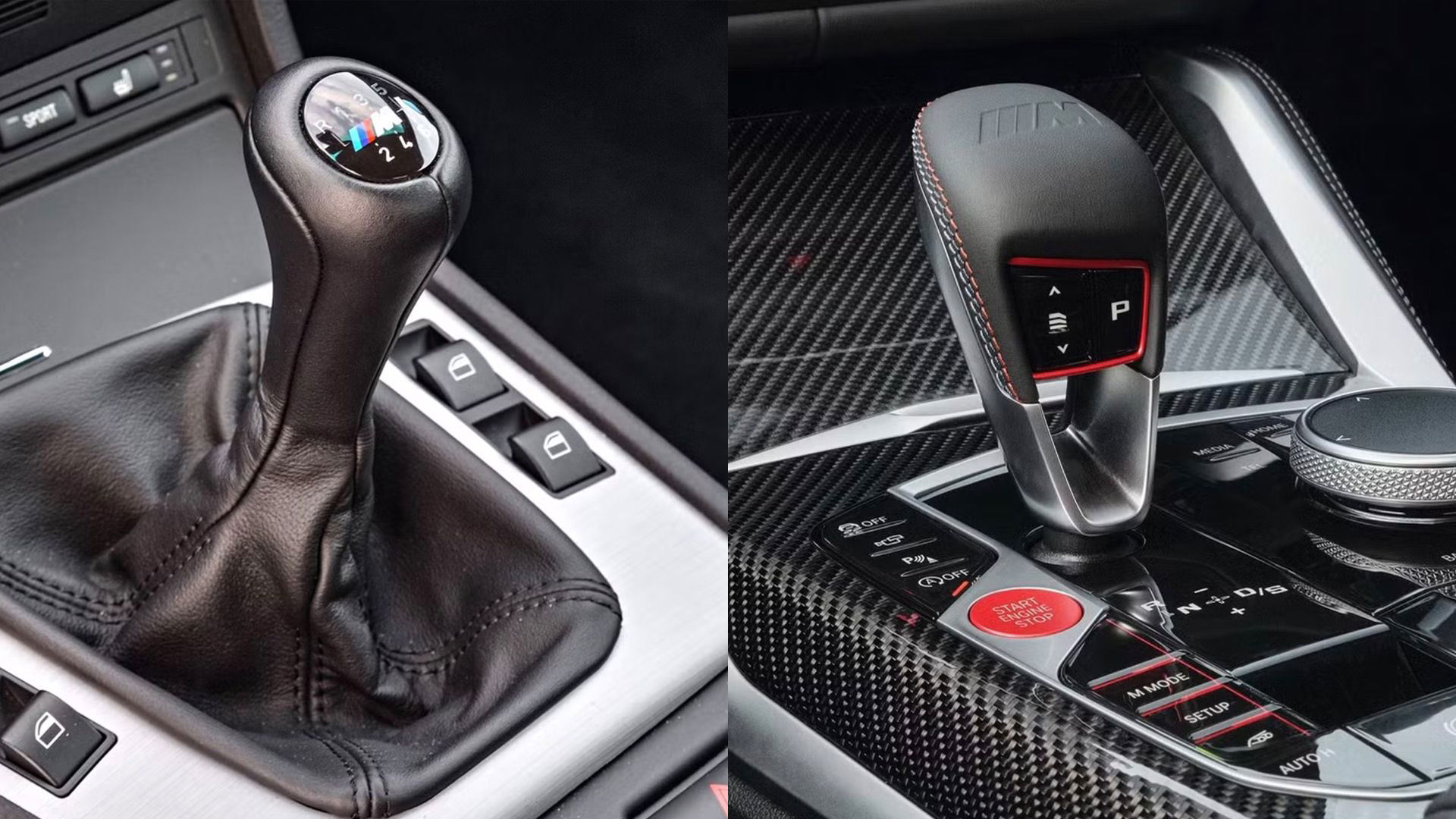
The primary difference between the automatic and the manual transmission is the mode of changing the gear. In a manual transmission, the driver must operate a gear stick to either engage the clutch and change gears. An automatic transmission on the other hand, does this automatically and driving is easier and more accessible to those not comfortable with the manual transmission or those seeking a more relaxed driving experience.
Why Automatic Transmissions Are Preferred by Many Drivers
Automatic transmissions are preferred by many drivers because of the convenience and ease that it allows especially in the stop and go traffic. It is less exhausting and easier as the clutch pedal has been eliminated, and the shifting process becomes easier. Moreover, modern automatic transmissions, such as the Continuously Variable Transmission (CVT), the Dual-Clutch Transmission (DSG) and so on have better fuel economy and performance, which only helps them gain even more popularity in the automotive market.
This section is going to present you with the functioning of automatic transmissions, the different types of automatic transmissions and the reasons why it is a favorite among many drivers nowadays.
What is an Automatic Transmission?
Automatic transmission (AT) is one of the features of a modern car, which is developed to assist in changing the gears ratio automatically when the vehicle is gaining momentum and when it is decelerating. Automatic transmissions also deal with this task automatically after the manual ones, where the driver has to use the clutch and the shift gears, hence driving becomes easier and more comfortable. This will enable the drivers to drive more on the road without manually shifting gears, especially the long-distance driving or the stop-and-go traffic.
Components of an Automatic Transmission
There are a number of essential parts that make up the automatic transmission and they help in delivering a smooth shift of gears:
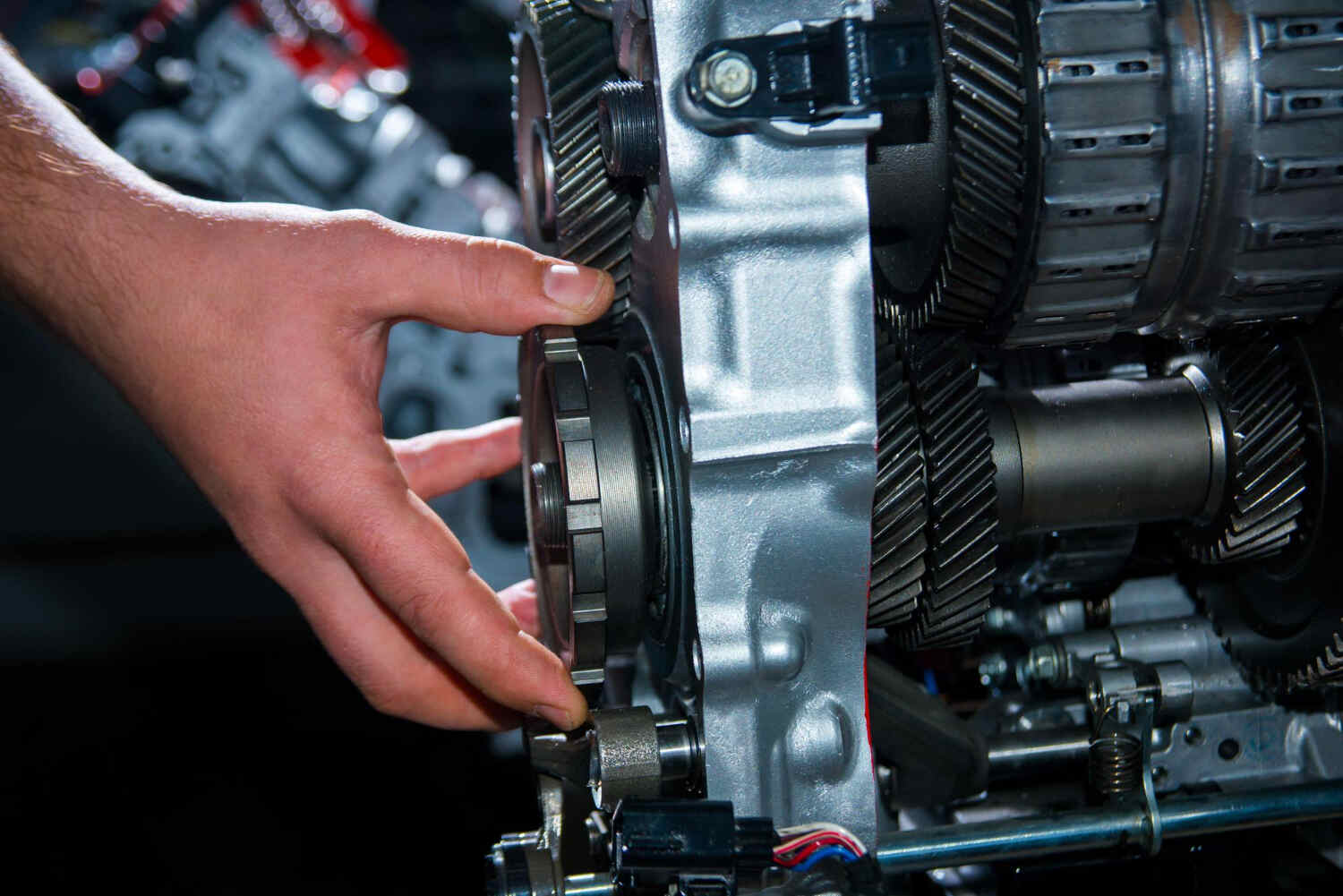
- Torque Converter: This component links the engine with the transmission and passes the power through fluid coupling system. It enables the engine to continue running whilst the car is stationary avoiding stalling. Torque converter is also a very important component of the automatic transmission as it facilitates smooth power transfer to the transmission.
- Planetary Gearset: The automatic transmission is based on the planetary gearset. It is made up of a central (sun) gear, planet gears which rotate around the central gear and a ring gear. These gears are organized to give the vehicle the gear ratios and to provide easy transition between gears. The planetary gearset is used to automatically change the vehicle speed by locking and unlocking certain gears.
- Hydraulic System: In this system transmission fluid is used to manage all the clutches and bands in the transmission. Gears are changed based on the speed and load of the car which is determined by the hydraulic pressure.
- Electronic Controls: The use of electronic sensors and control modules in modern automatic transmissions helps it to decide when to change gears. These systems detect parameters like speed, throttle position and engine load hence gear changes are seamless and timely.
How Automatic Transmission Works
The automatic transmission is operated by the torque converter to activate the engine and then the power of the engine is directed through the planetary gearset. The hydraulic system varies the gears according to the current speed of the vehicle and power requirement and it enables easy acceleration of the vehicle without having the driver manually shifting the gears.
Difference Between Automatic and Manual Transmissions
The major difference between the automatic and manual transmissions is the method of shifting of the gears. With a manual transmission the driver must press the clutch and use a gearstick to change the gear. An automatic transmission, on the other hand, does not require a clutch pedal and the car will automatically change gears which is easier and more convenient to the majority of drivers.
| Feature | Automatic Transmission | Manual Transmission |
|---|---|---|
| Clutch Pedal | Not required | Required |
| Gear Shifting | Automatic | Manual (driver-operated) |
| Driver Involvement | Minimal | High (constant gear shifting) |
| Ease of Use | Easier, especially in traffic | More challenging, especially in stop-and-go traffic |
| Fuel Efficiency | Generally less efficient (with exceptions like CVTs) | Generally more fuel-efficient |
Types of Automatic Transmissions
Automatic transmissions have been developed to be of all kinds with many types that suit the choice of driving, performance requirements, and fuel economy concerns. Every system has its own strengths and weaknesses based on the car and the requirements of the driver. We will investigate the most popular kinds of automatic transmissions on the market today: torque converter automatic, continuously variable transmission (CVT), dual-clutch transmission (DCT) and automated manual transmission (AMT). We will also divide the advantages and disadvantages of each so that we can make an automatic transmission comparison.
Torque Converter Automatic Transmission
The conventional form of automatic transmission is the torque converter automatic. It has a hydraulic torque converter that transfers power to the wheels. The type is very effective in offering smooth transitions of gears and it is gained in most vehicles today.
Continuously Variable Transmission (CVT)
A CVT provides a major breakthrough in the conventional auto transmission since it does not have set gears. It instead incorporates a pulley and belt driven system that is capable of continuously varying the gear ratio to give the engine the best speed to be efficient.
Dual-Clutch Transmission (DCT/DSG)
A Direct-Shift Gearbox (DSG) or the DCT, involves two distinct clutches to pre-select either even or odd gears to make gear changes quicker and nimbler as well as enhance the performance. This system is commonly used in high performance cars and sports cars.
Automated Manual Transmission (AMT)
The AMT gearbox is a hybrid which is a combination of simplicity of a manual gearbox and the automation of an automatic transmission. It utilizes a clutch and gearset like that of manual transmission but has a set of sensor and actuators that automatically control the leverages of the clutch and gear shifts.
| Transmission Type | Pros | Cons |
|---|---|---|
| Torque Converter Automatic |
|
|
| Continuously Variable Transmission (CVT) |
|
|
| Dual-Clutch Transmission (DCT / DSG) |
|
|
| Automated Manual Transmission (AMT) |
|
|
All kinds of automatic transmission provide the variant of driving experience. CVT and DSG transmissions are superb in terms of efficiency and performance but traditional torque converter is still famous in terms of the comfort of day-to-day life. The AMT gearbox provides a cost-effective solution at automated shifting yet to the drawback of driving smoothness. Selecting the appropriate system that fits your car requires your performance requirements, environment that you drive in, and the budget of servicing your car.
Benefits of Automatic Transmission
Automatic transmissions are the new generation of vehicles and have come with a variety of advantages that improve the driving process. These systems are more comfortable and convenient particularly in the city or on the way to work. We should discuss what the major benefits of automatic transmission are making it the favorable choice of most drivers.
- Easier to Drive, Especially in Traffic
The ease of driving is one of the greatest benefits of automatic transmission especially in congested traffic. Drivers do not have to consider switching the gears all the time, as the vehicle itself adapts itself to the speed of the vehicle. This comes in especially handy when in one of the stop-and-go types of traffic where manual gear shifting can become fatiguing. This ease of use in the form of only two pedals the brake and accelerator are what makes the automatic gearbox perfect in the city.
- Smooth Gear Shifts
Automatic transmissions offer the best driving experiences as it offers smooth gear change. Also, automatic transmission makes sure that one changes gears smoothly unlike that of the manual transmission where in some cases there can be a prolonged or sudden shift of gears, hence causing a rough ride to the user. This fluid changing also helps in maintaining better overall performance and causes less strain to the engine, thus it is easier to maintain a steady speed without any abrupt changes in speed.
- Less Driver Fatigue
The benefits of automatic transmission are that it makes drivers less fatigued. The lack of a clutch pedal and the necessity to continue changing gears all the time gives the drivers an opportunity to pay more attention to the road than to the mechanism of the vehicle. Whether the car is in the urban area or the highway, there is less mental and physical strain required to drive so the automatic system enables a more enjoyable and relaxing experience on the road.
- Improved Convenience for Urban Driving
Automatic transmission is an extreme convenience of cars to individuals spending a lot of time in an urban setting. In urban areas where the traffic is usually heavy, and where one may need to make frequent stops, an automatic transmission would be very convenient in that one is not forced to press the clutch pedal every time to change the gear. The CVT transmission (Continuously Variable Transmission) also contributes to the convenience of the car by varying the transmission of the power without any noticeable gear shifts, which makes driving in the city even smoother.
Common Problems with Automatic Transmission
The automatic transmissions are complex systems, which operate in harmony to achieve smooth driving, however, just like the other parts of the machine, they may develop problems with time. Early detection of the symptoms of automatic transmission issues can save you the expense of making expensive fixes and running your car without problems. Some of the most encountered problems that drivers experience with their automatic gearboxes are discussed below.
- Slipping Gears or Delayed Engagement
Among the most widespread indicative factors of transmission failure, there is the incidence of an unexpected sliding out of gear or hesitation of the vehicle to switch to the right gear. This may be as a result of the low transmission fluid, the clutches are worn and the hydraulic system may have issues. In case you see that the vehicle accelerates roughly or suffers any delays, it is important that the vehicle is checked as soon as possible. This problem may result in further destruction of the transmission when left untreated.
- Transmission Fluid Leaks or Burning
Automatic transmission is prone to transmission fluid leakage. Transmission fluid plays a crucial role in lubricating and cooling the transmission and leaking could lead to overheating of the system. There may be a leak under your car by the presence of reddish or brownish fluid so be it. The other sign of an issue is whether the fluid begins to burn and it is usually accompanied with a burnt odor. Fluid burning is a typical sign that the transmission is overheating and this could cause serious damage when not countermeasure.
- Unusual Noises or Vibrations
When you hear the grinding, whining or clunking sounds that are made by the transmission system of the car, it is evident that something is wrong. These strange sounds may be the signs of issues with the gears, bearings, and other internal parts of the transmission. Sensations during the movement of the car in gear may also indicate worn-out parts or the lack of fluids. Both problems are to be resolved as soon as possible so that the harm could be more serious.
- Warning Lights and Error Codes
Most of the modern vehicles offer sensors which could be used to detect issues in the car transmission system and initiate warning lights at the dashboard. A special transmission warning light or the Check Engine light could be illuminated when the transmission system is having problems. The onboard diagnostic system (OBD-II) on the car will in other instances save error codes that will assist in identifying the exact problem. These codes could be interpreted with the help of regular troubleshooting with a professional technician in order to avoid additional damage.
Effective Maintenance Tips for Automatic Transmission
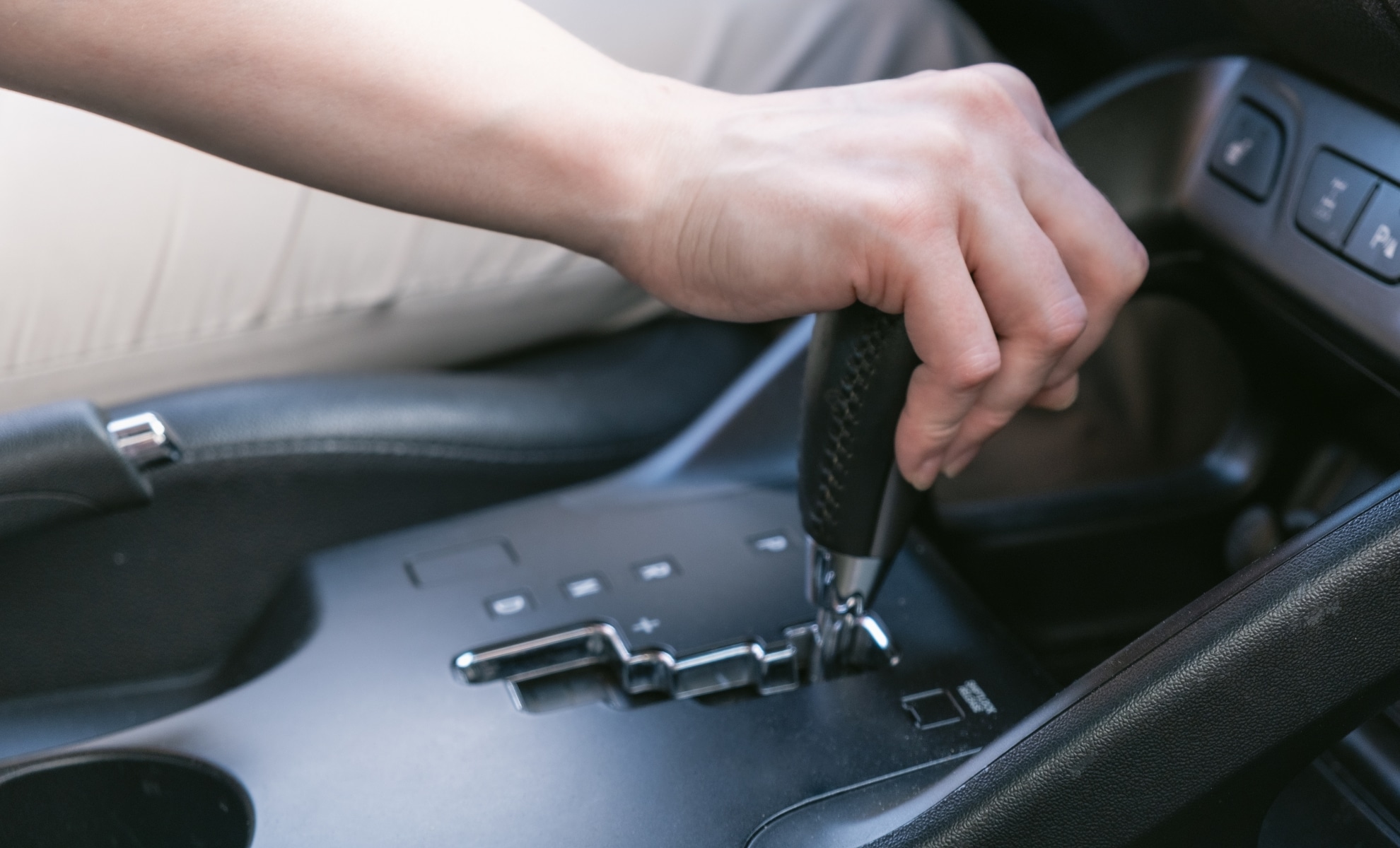
It is also critical to maintain your automatic transmission as it will guarantee long-lasting performance, efficiency, and prevent expensive repairs. Routine maintenance will ensure that your car transmission system is in great shape and that there is a low possibility of serious failures. The following are some of the transmission care measures that will guide you to keep your automatic gear box:
- Regular Transmission Fluid Checks and Replacement
Checking of transmission fluid and replacement is the most important part of automatic transmission servicing. The transmission fluid is used as a lubricant and coolant, which provides easy gear shifts. Low or dirty fluid may lead to overheating of the transmission and result in an untimely wear. To prevent fluid contamination and optimize the performance of the gearbox, the level of fluid in your vehicle should be checked regularly and replaced based on the recommendations of the manufacturer of your vehicle.
- Avoid Aggressive Driving
Aggressive driving like sudden acceleration, hard turning and passengers halting imposes additional pressure on your automatic transmission. When the transmission components are frequently worn out, the cause might be the hard driving. You should strive to achieve a smooth acceleration and deceleration to prolong the life of your gearbox especially during heavy traffic or when on hilly roads. Do not exceed the limit of your car when it comes to towing heavy loads because this may cause overheating and the transmission system may be damaged.
- Periodic Inspections by Professionals
Although the fluid is monitored frequently, it is necessary to ensure that the maintenance of your gearbox is performed by professionals. A qualified technician will be able to identify minor problems before they evolve into major problems. The regular check-ups will assist you in preventing any form of transmission issues, including leaks, deteriorated seals, or spoilt parts. This will save you downline expenses of having to spend a lot of money on repairing your vehicle.
Automatic vs Manual Transmission: Which Is the Better Choice?
The major choice many drivers have to make when selecting a car transmission system is the question of whether to have an automatic system or a manual system. They both have advantages and disadvantages, and it is also necessary to take into account different aspects before a choice is made. We will compare the two types of transmissions on the basis of some main aspects such as fuel efficiency, cost and driving comfort as explained below.
Pros and Cons of Automatic vs Manual Transmission
| Feature | Automatic Transmission | Manual Transmission |
|---|---|---|
| Ease of Use | Very easy to drive, especially in heavy traffic. No need to shift gears manually, making it ideal for beginners. | Requires skill and focus to shift gears manually. Often harder for new drivers, especially in heavy traffic. |
| Fuel Efficiency | Older automatic transmissions were less fuel-efficient, but newer systems like CVT transmissions are more efficient. | Generally, more fuel-efficient than traditional automatics, especially for highway driving, but not always in urban areas. |
| Driving Comfort | Provides a smoother, more relaxed driving experience, particularly in stop-and-go traffic. | Can be more tiring to drive, especially in heavy traffic, as it requires constant shifting. |
| Control Over the Vehicle | Less control, as gear shifts are automatic. This might not appeal to performance enthusiasts. | More control over gear shifts, ideal for drivers who want to have full control of the car’s performance. |
| Maintenance and Repair Costs | Typically, more expensive to repair due to complexity. However, newer systems are more durable. | Generally cheaper to repair and maintain because of the simpler mechanics. |
Cost Considerations
The cost of automatic and manual transmission also depends on the car and its type. In most cases, manual transmission automobiles are normally less expensive initially, as they are less complex and have fewer parts. But they may not be so popular in the used car market and resale value may be compromised.
Auto-transmitters, on the other hand, are usually more expensive because they are complex and might not be very lucrative in the long run, but might be more lucrative and sell better. The automatic systems of gears are also more widespread in the contemporary vehicles and this can make them more appealing to a wider market.
Fuel Efficiency Comparison
In fuel efficiency, there is a lot of debate on whether to use automatic or manual transmission, but this depends on the kind of transmission employed. Conventionally manual transmissions had been more economical, as manual transmission allowed direct contact between the engine and wheels. Nevertheless, recent automatic transmissions have bridged the efficiency gap with the introduction of CVT transmissions and more sophisticated DSG gearboxes, and in some circumstances, prove more efficient than manual transmissions, especially in urban use.
Driving Comfort and Ease
Automatic transmissions are very good in comfort and ease, particularly when traveling in the cities. Using automatic gearbox, the drivers need not worry about changing the gears or operating a clutch so it is easier driving in the city or during long commutes. Conversely, manual transmissions are exhausting and demand total concentration especially when one is driving in stop-and-go mode.
Conclusion
Automatic and manual type of transmission have their own advantages. An automatic transmission could be the superior option to those who mainly drive in the city and are in need of comfort in driving. But to those who like to be in charge and feel comfortable manipulating the gears and are ready to accept the increased workload a manual transmission may be a better option. After all the question of manual vs. automatic transmission lies in your preferences of driving, budget and the kind of driving you perform the most.
FAQs
An automatic transmission has a lifespan ranging between 100,000 to 200,000 miles depending on its proper maintenance. It is important to regularly check and change its fluid to assure the long life.
Yes, automatic transmissions are best in heavy traffic because they automatically change gears giving the driver a less tiresome experience in the road which is not the same with a manual transmission.
In most cases, they can be more expensive to maintain compared to manual automatic transmissions as they are complex. Nonetheless, frequent service will allow avoiding expensive repairs.
CVT (Continuously Variable Transmission) has a smooth acceleration with no fixed gears, and DSG (Dual-Clutch Transmission) has more efficient gear changes and is apt in high performance cars.
Related Posts
Automatic Transmission: Everything
Automatic transmissions (also known as automatic gearboxes) have become a
Read More
Comments are closed