


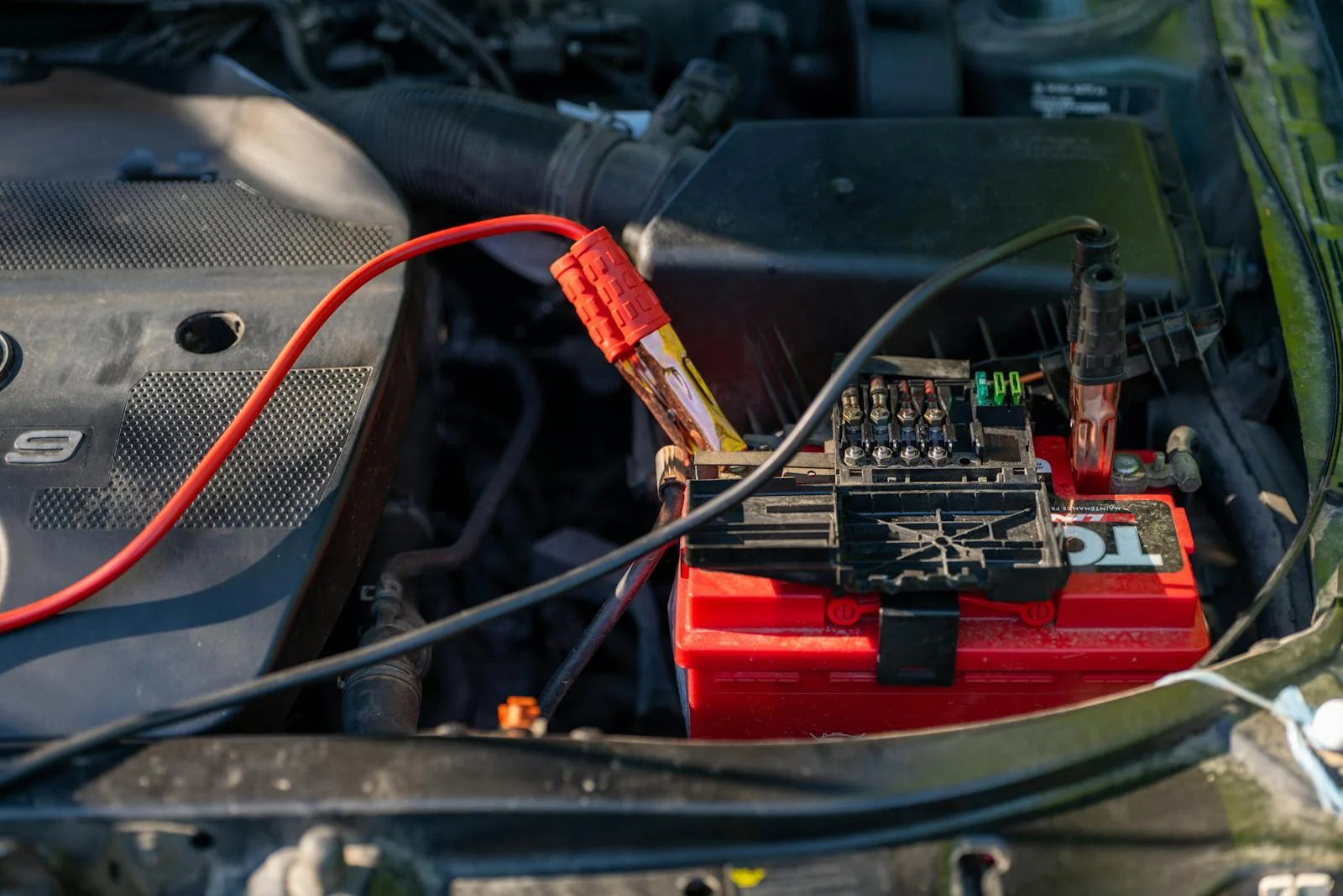
Car battery lifespan is a vital thing that any vehicle owner should understand, because your battery is a key to the engine being started and the use of electric power that drives essential car systems. The awareness of the battery life of your car will aid in making maintenance plans, avoiding sudden breakdowns and eliminating the chance of being caught up in a traffic jam as a result of an unexpected battery failure.
Reliable vehicle performance is based on a healthy car battery. The battery makes sure that all is well as the engine is started, the infotainment systems, safety sensors, support lights, and onboard computers all work as intended. Car electrical systems are more depended on than ever before, and this is why a faulty or non-functional battery may lead to more than just starting the car becoming hard. This is among the reason why one should be aware of the indicators of a dying battery as much as one should know the duration of battery life.
Most car batteries have an average lifespan of three to five years although this is not the predetermined time. The real-life expectancy may differ greatly due to a number of factors, one of them being the type of battery used, the mode of driving, climatic conditions, and general maintenance of the vehicle. Battery can be shortened due to frequent short trips, extreme weather conditions either hot or cold, over usage of electrical accessories or due to poor maintenance practices.
Performance and durability can be significantly improved by the help of regular checks and basic car maintenance hints like cleaning battery terminals and maintaining the battery in place. Similarly, knowing whether a battery is about to end its life enables you to schedule a battery change to avoid inconvenience and even the destruction of the other parts of the car.
This guide details the duration of a car battery, what determines the life of a battery and why preventive maintenance is important in ensuring that the battery will continue to perform reliable functions during the life of your car.
Average Car Battery Lifespan
Most petrol and diesel-based cars have an average car battery life ranging between three and five years. This is a universally agreed range in the automotive industry, although one should not assume that this is a guarantee because it is just an estimate. Under real-life circumstances, certain batteries might drop out earlier, and others may outlast this period with regard to the level of use, environment and maintenance. Awareness of the average expectation of lifespan was useful in assisting the drivers to plan more, minimize the possibility of breakdown, and make sound judgment concerning testing and battery replacement.
There are various factors that determine the duration of a battery, however, one of the most determinant factors is the type of battery. The various battery technologies utilized as modern vehicles have different degrees of performance, robustness, as well as the battery life.
Differences Between Common Car Battery Types
| Battery Type | Typical Lifespan | Key Characteristics |
|---|---|---|
| Lead-Acid | 3–5 years | Most common and cost-effective; reliable but sensitive to heat, deep discharge, and poor maintenance |
| AGM (Absorbent Glass Mat) | 4–7 years | Designed for start-stop systems and high electrical loads; better vibration resistance and longer AGM battery lifespan |
| Lithium-Ion | 8–15+ years | Mainly used in hybrid and electric vehicles; high energy density, excellent durability, but higher cost |
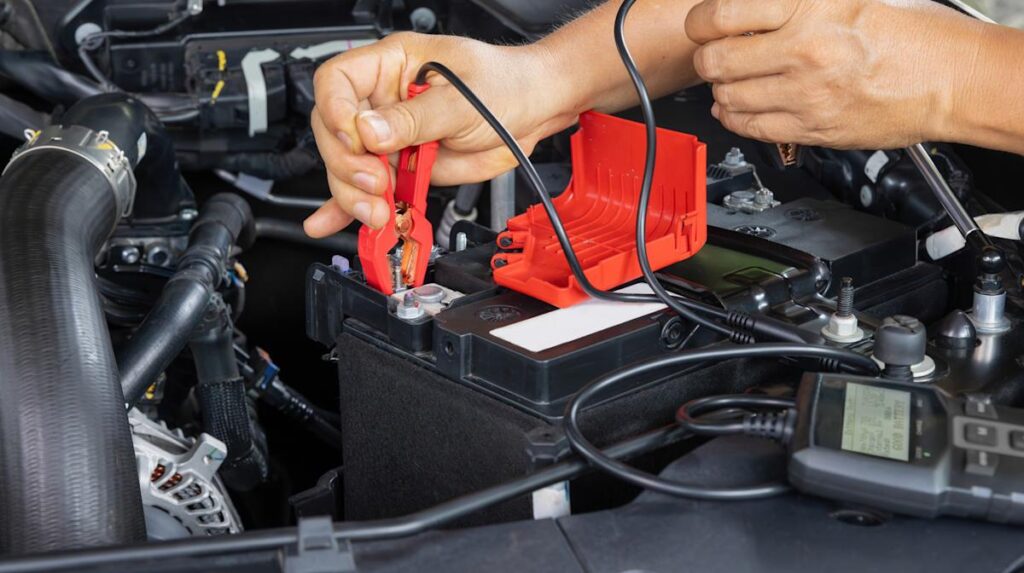
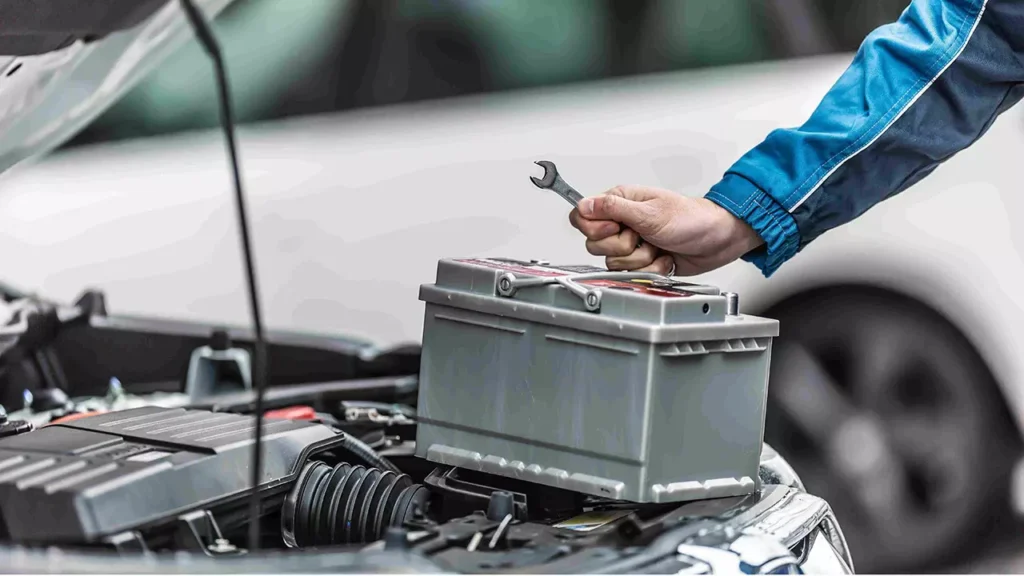
Internal wear, sulphation and sensitivity to extreme temperatures are major factors that reduce the life of the lead-acid battery. AGM batteries, however, are designed to accommodate high frequency starting as well as higher electrical demand which provides them with better battery life in harsh environments. The Lithium- ion batteries have the most extended life cycle and are only utilized mostly in the electric and hybrid automobiles and not the usual car.
Seasonal and Climate Effects on Battery Life
Climate has a significant impact on the real battery life. High temperature causes chemical reaction to take place faster in the battery, thus causing internal corrosion, electrolyte evaporation, and the destruction of permanent capacity. Automobiles that have frequent exposure to hot weather conditions tend to have lower average car battery life, despite the comparative newness of the car battery.
There is a different challenge presented by cold weather. Low temperatures reduce the rate at which chemical reactions needed to generate power are attained, which slows cranking capacity. This is why during winter battery failures are frequent and this happens particularly when the battery is already worn out or is nearing its service life.
Finally, the battery life expectancy should be realistic in three to five years but the actual battery life would be determined by battery technology, exposure to climate and proper maintenance of the vehicle. Routine checkups and preventive car care tips could enable you to make sure that your battery lasts till – or even longer than expected.
Signs Your Car Battery Is Dying
The battery of your car is essential to the performance of the car and once it begins to malfunction, it may get you stuck at the most inappropriate time. It is possible to identify when a battery is about to die and avoid the sudden failure. The most common symptoms of battery failures to watch out are as below:
Slow Engine Crank: It is also evident when your battery is experiencing difficulties; when you are trying to start your car, the engine crank is slow or sluggish. When your car is not starting as quickly as it has been or you can hear a clicking sound but the motor will not start, it is a good sign that the battery is not good or that it is almost running out of life.
Dim Lights: When your headlights or dashboard lights are unusually dark, particularly with the engine switched off, then it is a typical indicator of a dying car battery. A faulty battery cannot provide the required amount of voltage to energize electric parts (such as your lights) and hence may make these parts look dim or flicker.
Dashboard Warning Lights: There has been modern advancement on onboard diagnostics, which can be used to identify problems with the electrical system on your car. Whenever you notice the battery warning light on your dashboard it is a definite weak battery warning that something is not getting along with the charging system or battery. This warning may bring harm unless it is ignored.
Swollen Battery Case: Batteries may begin to swell up over time either as a result of being overheated or overcharged. The chemical reaction within the battery may often make the battery swollen hence a sign that it may soon fail. Not only a swollen battery becomes capacity-less but also is hazardous and may leak acid.
How Early Detection Can Prevent Breakdowns
Early detection of signs of a dying car battery will help you to avoid being stuck or having more serious car problems. When your car displays any of the mentioned symptoms it is important to do something as soon as possible. The weak battery or the one that is failing will also jeopardize you with a car that is not starting and unwarranted delays and expensive repairs unless fixed.
Getting your battery checked as soon as you detect some problem will save you from the unexpected battery run-down and keep your car on the road. To change the battery, visit our battery replacement service to arrange a time to replace the battery. It is better not to wait till it is too late in case the battery is showing signs of weakness; it will be good to get a battery replacement so that your car will run smoothly. If you car get stuck in the middle of the road you can call mobile car battery replacement which Prime Auto Pro Provide
Factors Affecting Battery Lifespan
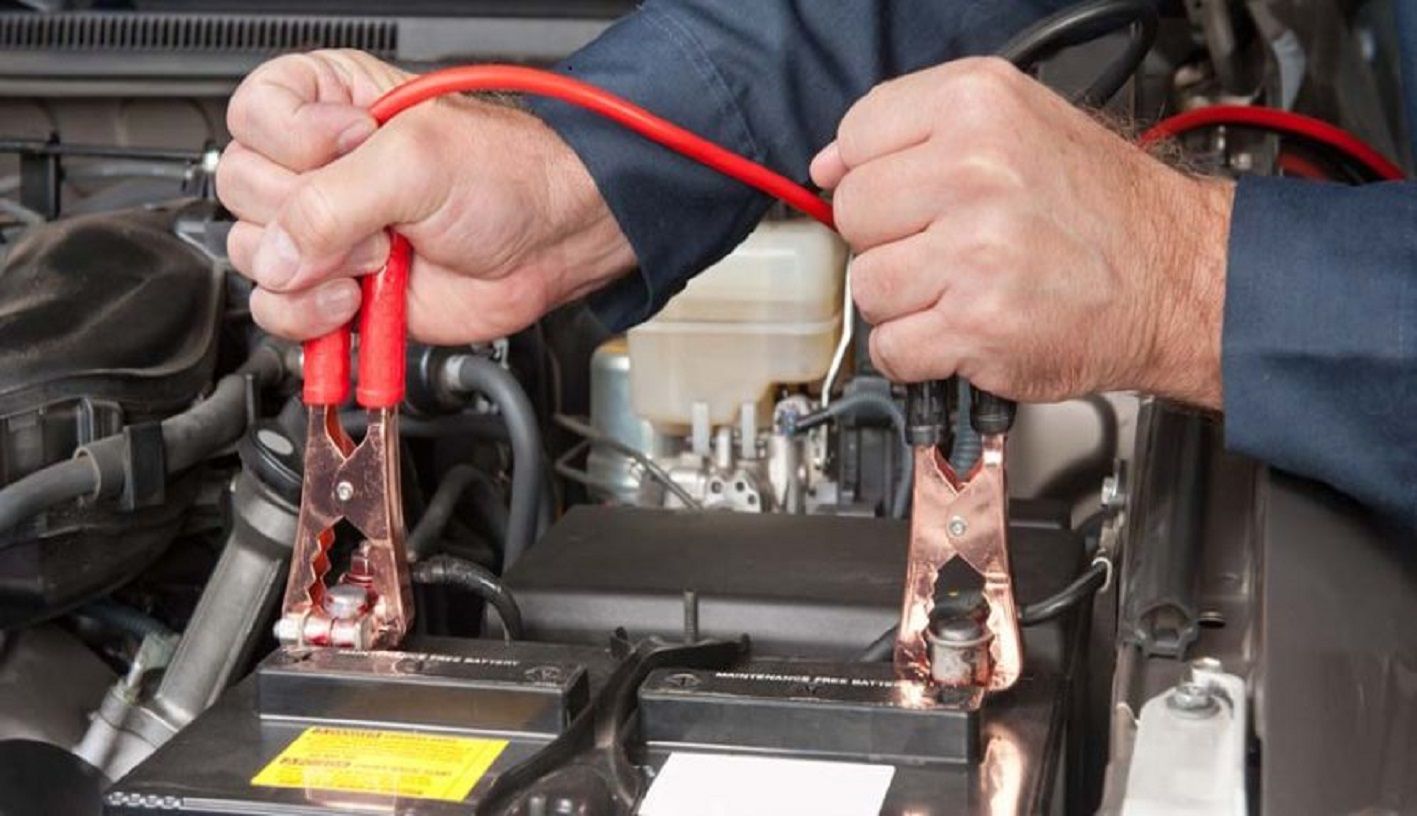
It is important to know the different factors of car battery life so that one can have a healthy car battery and prolong its service life. Most car batteries have a lifespan of 3-5 years, although, there are some factors that may reduce or increase the battery life span. These are the most important factors that influence the life of your battery in your car.
Driving Habits and Frequency
Driving habits are some of the major factors of car battery life. To the extent that you drive long enough every day, then you give your battery sufficient time to recharge as you can have the full charge as well. Nevertheless, the battery may be a burden due to regular commutes. The alternator does not get time to charge the battery fully when taken on short trips. Undercharging will occur as a result of this and may lead to a diminishing effect of the battery with time. When you’re driving style involves a lot of stops and go traffic or traveling long distance, it may not be able to support your battery as long.
In order to maximize the battery life, it is necessary to go on longer drives in your car every now and then to enable the alternator to charge the battery to the full capacity. Minimize the short journeys because it does not give the alternator time to completely replenish the battery and hence may show symptoms of battery malfunction at an earlier stage.
Climate and Temperature Extremes
The temperature is critical in the hot and cold weather impact to battery performance. High temperature and extreme cold weather may affect the longevity of your car battery to large extents.
- Hot weather: The electrolyte contained in the battery might be evaporated due to high temperature and that may cause irreversible damage. Corrosion also accelerates when the temperature exceeds normal and this reduces the life of the battery. In places where hot weather is common, then you should regularly check your battery to see whether it is damaged or not, particularly when it stays in the sun for a long time.
- Cold weather: On the other hand, low temperatures decrease the rate of chemical reactions in the battery, thus, reducing the ability of the battery to generate enough power. It may also occur in cold weather that the engine has difficulty starting in the morning or that the battery has a greatly diminished amount of power. In case you have a weak battery, it may fail altogether when subjected to extreme cold.
Do not park your car in the hot weather, not even in the winter, so that it will not be damaged. In case you are in a cold place, you may use a battery blanket to assist in keeping the battery warm.
Electrical Load from Accessories
Modern vehicles have various electrical accessories in place including air conditioning and sound system and in-car electronics. These accessories are powered by battery when the engine is switched off or at idle. With time, these electric features may be overused and therefore the battery may drain thus decreasing its life cycle.
An example is that when you turn off the engine, but leave the radio running, the lights running, or the air conditioning running, the battery will not be able to charge itself. When not in use, it is always necessary to switch off all accessories so that the battery is not constantly drained. Battery life can be extended by controlling your electrical load and you will not have to replace your battery prematurely.
Maintenance and Care Practices
Some rules regarding battery maintenance will be very important in lengthening the battery life of the car. Failure to carry out maintenance will result in poor performance and premature failure.
- Keep terminals clean: Bad electrical connections may be created due to corrosion on the battery terminals resulting in starting problems or slow cranking of the engine. The corrosion can be removed by cleaning the terminals with a blend of baking soda and water and the performance of the battery enhanced.
- Battery health checks: Periodically look at your battery and determine whether it is worn, leaked or damaged. In addition, have the battery checked off when carrying out a normal check on the car so that the battery can be checked so as to confirm that it is retaining the right amount of charge.
- Check the charge regularly: The healthy battery should be filled up between 12.6 and 14.7 volts. When it gets too low then it could be time to change batteries or charge them.
To conclude, appropriate care and maintenance, i.e. by monitoring the health of the battery, cleanliness of the terminals, and limiting the amount of electrical load will both lengthen battery life and enhance efficiency of the car.
How to Extend Your Car Battery Life
It takes a combination of routine maintenance and care to ensure the longevity of your car battery and a combination of smart driving habits to ensure that your car lasts as long as possible. With some simple battery maintenance rules, you will be able to increase car battery life, minimize the chances of battery breakdowns, and prevent premature battery replacement. Here’s how:
Regular Maintenance Tips
The first way to maintain your car battery in good condition is by taking proper care of the battery. These are the main practices to start:
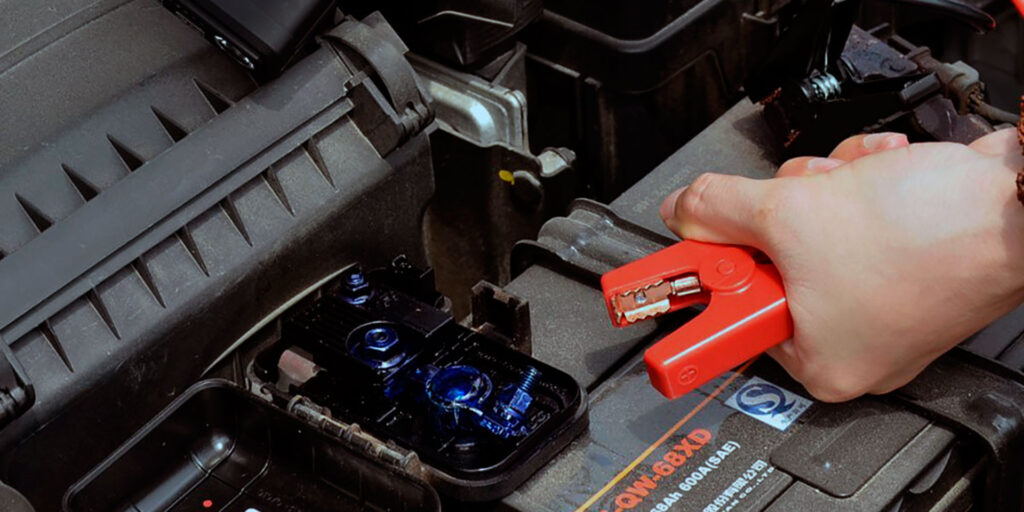
- Keep Terminals Clean: Your battery terminals may accumulate corrosion thereby creating poor connections and giving a loss of charge. Just to prevent corrosion, always clean your car battery with baking soda and water mixture to clean the terminals. Keep the terminals clean and close to ensure that the flow of the electricity is not disturbed at all.
- Avoid Frequent Short Trips: Regular short journeys do not give the alternator sufficient time to recharge the battery completely. This underpricing can considerably reduce its lifespan. Take longer rides, where feasible, particularly in case you have very short routes every day. The battery life of the car will be extended as the alternator has an opportunity to charge the battery completely.
- Use a Battery Tender in Winter: Weather conditions when it is cold may drain your battery and thus your battery will struggle to start your car. In a colder climate, the battery can be kept charged by running a battery tender or trickle charger during the winter months when it is not in use. This cheap tool will make sure that your battery is constantly charged but not overcharged.
Checking Voltage and Battery Health
Battery health checks are important in order to make sure your battery is working correctly:
- Test the Voltage: Testing the voltage of your car battery is a great method of testing its healthiness. When the engine is off, the voltage of a healthy battery is supposed to read about 12.6 volts. The voltage must be 13.7 to 14.7 volts when the engine is running. When the voltage is less than these values, then perhaps it is time to change the battery.
- Monitor the Battery’s Performance: Watch out of the indications of a dying battery, including dim lighting, slow engine cranks or electrical problems. The battery health check can also be done in a hurry to ensure you identify the problems and avert total breakdown.
When and How to Replace Your Car Battery
There are always instances when it is important to know when replacing your car battery and how to do it in a safe manner to prevent the occurrence of unexpected breakdowns and have a reliable car performance. It is a car battery replacement manual, beginning with when to change the battery and how to fit it.
Average Replacement Frequency
Most car batteries have between 3 to 5 years on average, although this may change depending on factors such as the driving style, climate and quality of the battery. Check frequently to see indications of a failing battery, e.g. slow engine cranks, low lights or dashboard warning lights. When the car battery is nearing the 3-year mark, it would be nice to get it tested as part of the regularly performed maintenance procedure. Unexpected troubles can be avoided by replacing the batteries early enough and particularly in extreme weather.
How to Safely Replace a Battery
As one of the DIY projects, it is possible to replace a dead battery, however, the safety is the most important aspect. The most important tips in battery installation are as follows:
- Take off the keys and switch of the engine.
- Unplug the negative terminal at the first possibility, to avoid the accidental electrical shortages.
- Take off the previous battery with appropriate attention to its location and battery hold-down.
- Wipe the battery terminals and check the space whether it is corroded and then replace the battery.
- Install the new battery in the right spot, make sure it has been inserted and reconnect the positive terminal first then the negative terminal.
Choosing the Right Battery
The car battery should be chosen according to the specifications that the vehicle has. There are many types of batteries one of which is lead-acid and AGM type of batteries that have different benefits. Take into account cold cranking amps (CCA) rating of your climate- greater CCA ratings are best suited to a colder climate. Besides, make sure that the battery is within the size and amp-hour rating specifications of your car.
Importance of Professional Installation
Even though replacing a battery can be cheaper when you do it by yourself, it is always advisable to hire a professional to install the battery, particularly when one is not familiar with the electrical systems. To prevent further problems, a professional will be able to make sure that the charging system is installed correctly and that it is operational.
These steps will help you to increase the life of a battery in a car and prevent trouble on the road by selecting the correct type of a battery.
FAQs
Yes. Infrequent driving causes gradual discharge and can lead to failure.
Yes. Extreme heat and cold significantly reduce battery lifespan.
Costs vary depending on battery type and vehicle, but higher-quality batteries last longer.
Yes, using a charger—though repeated failures usually mean replacement is needed.
Related Posts


Automatic Transmission: Everything
Automatic transmissions (also known as automatic gearboxes) have become a
Read More
Comments are closed