Prime Auto Pro

Tyres and Wheel Alignment

Grip, braking, steering feel, and fuel economy all come down to four patches of rubber and the angles at which your wheels sit. When tyres wear out or alignment slips, your car quietly becomes harder to control and more expensive to run. We fit quality tyres, balance them precisely, and align your wheels to factory specifications so your vehicle tracks true and stops with confidence. Fresh rubber and correct geometry transform how a car feels, and we make sure yours has both.
Prime Auto Pro

The Job Your Tyres Do

Rubber is where physics meets the road. Every time you brake, corner, or pull away, the load passes through a contact patch on each tyre roughly the size of your palm, so the quality and condition of that rubber decides what your car can actually do. As tread wears down, water cannot escape from beneath the tyre, and grip in wet conditions falls away dramatically, lengthening the distance you need to stop. Age matters as much as tread, since rubber hardens and cracks over the years, even on a car that barely moves.
 
Picking the correct tyre is not just about size, either. Load rating, speed rating, and the design suited to your driving all play a part in how the car behaves. We match the tyre to your vehicle and the way you actually use it, then fit it with care so you get the full performance the rubber was engineered to deliver from the very first kilometre.
Prime Auto Pro

How Alignment Keeps Wheels in Harmony

Picture your four wheels as a team that has to point in perfect harmony for the car to move efficiently. Alignment is the set of tiny angles, namely camber, caster, and toe, that decide whether they cooperate or quietly fight one another. From the factory, these angles are dialled in to exact figures, but everyday hazards gradually nudge them off.
 
A solid hit on a pothole, a scrape against a kerb while parking, or simply the steady accumulation of kilometres can all disturb the geometry by a fraction of a degree. That tiny shift is enough to drag a tyre slightly to the side as it rolls, scrubbing rubber off one edge and pulling the steering off true. Left unchecked, poor alignment can chew through a set of tyres far sooner than it should. Restoring those angles brings the wheels back into agreement, so the car rolls freely, steers honestly, and treats its tyres kindly.
Prime Auto Pro

Signs Something Is Off

Cars are surprisingly talkative when something is amiss underneath them, and tyre or alignment trouble tends to announce itself in a handful of telltale ways. The first thing many drivers notice is a steering wheel sitting slightly crooked, even when the road runs dead straight, or a gentle but persistent tug toward one side that has them constantly correcting. Run your hand across a tyre and feel for a stepped, feathered, or one-sided wear pattern, since uneven wear is one of the loudest warnings of all.
 
A buzz or shudder coming up through the wheel at certain speeds usually points toward a balance issue or a tyre that has worn irregularly. Then there are the purely visual cues, such as tread worn close to the legal limit, fine cracks creeping along the sidewall, a suspicious bulge, or a nail you never knew was there. When any of these appear, a prompt check is the cheap way to avoid an expensive one.
Our Services

Quality Repair Services

Inside Our Tyre and Alignment Work

Why We Pair Them

Tyres and alignment are joined at the hip. Bolt a brand new set of tyres onto a car whose geometry is out, and you are effectively paying to wear them out early. That is why we tackle the two together as one connected job, blending good products, accurate measuring gear, and frank conversation so every dollar you spend actually shows up in how the car drives and how long the rubber lasts. Our starting point is a proper look at where you stand.
 
If new tyres are on the agenda, we ask about the kilometres you cover, the roads you favour, and what you want from the car, then steer you toward rubber that genuinely fits that picture rather than simply quoting the priciest box on the shelf. Maybe you want quiet, long-lasting tyres for the daily grind, or something grippier with a sportier edge. Either way, the recommendation follows your driving, not our margin. Unsure if your existing tyres still have life in them? We measure tread, inspect the sidewalls, and check the manufacturer’s date, then give you the unvarnished verdict.

Fitting and Balancing

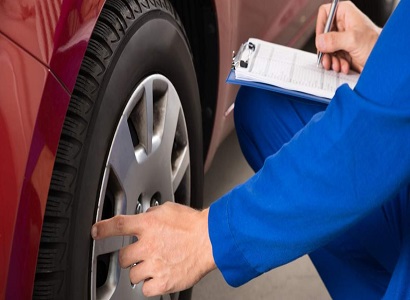
Fitting day is where care counts. The worn tyres come off without marking your wheels, the fresh ones go on, and each assembly spins on the balancer until any heavy spot is countered with a small weight. Skip this, and you invite that familiar high-speed wobble and patchy wear, so we treat balancing as non-negotiable. Pressures are set to the figures stamped for your car, because a tyre running soft or hard wears incorrectly, grips worse, and drinks more fuel than it should.

Setting the Geometry

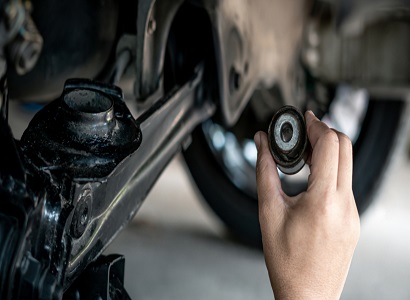
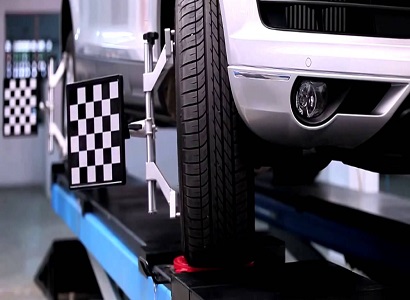
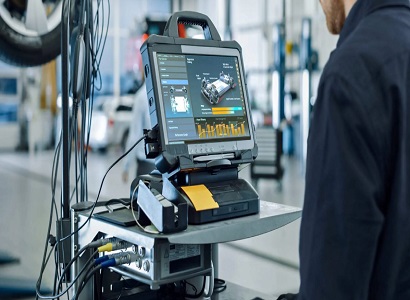
Then, to the geometry itself. The car rolls onto our alignment rig, sensors read precisely how each wheel is pointing, and those numbers go head-to-head with the manufacturer’s targets. Wherever a reading strays outside tolerance, we adjust it back into line. It is patient, fiddly work, and doing it accurately is what makes a car sit straight, hold a true course, and spread wear evenly right across each tyre instead of grinding one shoulder bare. We keep you in the loop with the actual readings, before and after, so the correction is something you can see rather than just take on faith. And if the measurements expose a deeper cause, such as a tired bush or a worn joint quietly knocking the geometry out, we flag it and explain what it means, leaving the decision and the cost firmly with you.

The Finished Result

With rubber fitted, wheels balanced, and angles set, a final once-over and a short drive confirm the car runs arrow-straight and feels settled beneath you. We hand back a few easy habits to protect the work, such as checking pressures monthly and rotating periodically, and send you off on tyres that grip hard, wear evenly, and last the distance they were built to. When your car feels vague, pulls, or its tyres are looking weary, bring it in and let precise rubber and geometry do their job.

FAQs

A yearly check is a reasonable rhythm for most drivers, and it is always worth doing alongside a new set of tyres. Beyond that, treat any solid pothole strike, kerb scrape, or sudden pull to one side as a prompt to have the geometry looked at. Frequent checks keep your rubber in good condition and ensure the steering is trustworthy.
Shallow tread, a stepped or one-sided wear pattern, sidewall cracking, bulges, or anything embedded in the rubber all point toward replacement. Reduced confidence in wet weather is another giveaway. Bring the car in, and we will gauge the tread depth, study the condition, and read the manufacturer's date before telling you plainly whether the tyres still have safe life left.
Misaligned geometry is the usual culprit, dragging one part of the tread along the road faster than the rest. Running pressures too low, skipping rotations, and worn suspension parts all contribute as well. Setting the angles correctly and keeping inflation correct even out the wear and extend a tyre's working life considerably.
We would urge it. Mounting fresh tyres on a car whose angles are off simply hands them an early death and squanders your money. Aligning at the same moment shields that new rubber, sets it up to wear evenly from kilometre one, and rewards you with the cleanest handling and the longest tyre life possible.
They solve two separate problems. Balancing evens out the weight around a spinning wheel so it turns without shaking, and it happens every time a tyre is mounted. Alignment dials in the angles at which the wheels sit relative to the road. A car that runs smoothly and tracks dead straight generally needs both to be properly maintained.